Ken Maddux
P o t t e r
Bending
Pines
Pottery
Bending Pines Pottery is the studio of ceramic artist Ken Maddux, where one-of-a-kind Horsehair Raku and handcrafted stoneware are created with a deep respect for the natural beauty of clay and the stories each piece can hold. Inspired by the quiet rhythms of nature and the enduring connections between people, memory, and place, every vessel is individually formed and finished by hand, making no two pieces exactly alike.
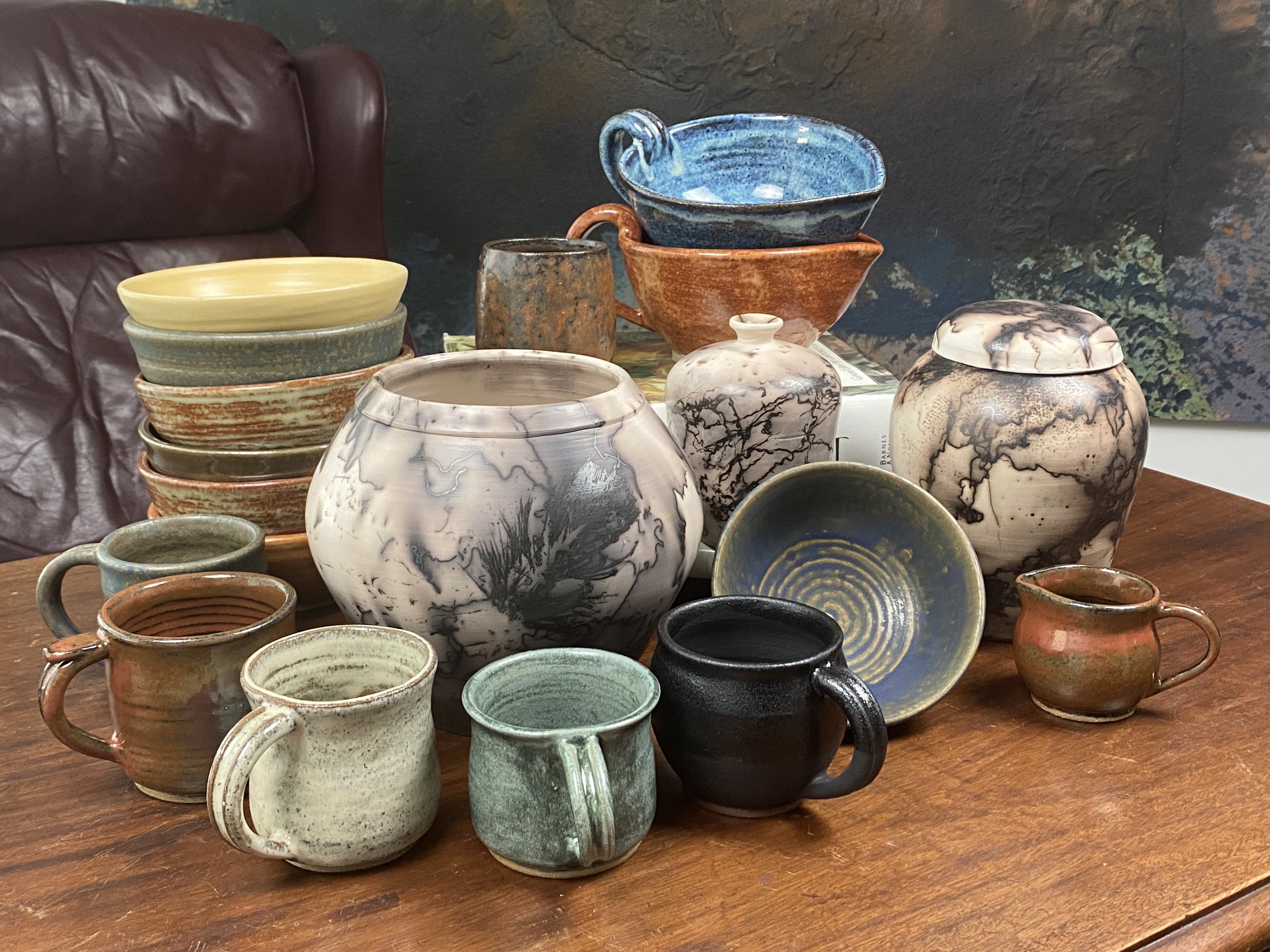
Ken's Horsehair Raku is created using a dramatic firing process in which horsehair and other natural materials are applied to the ceramic surface, leaving distinctive carbon markings that can never be duplicated. The result is a collection of expressive art vessels, commemorative urns, keepsakes, and sculptural forms that celebrate life's journeys, honor cherished memories, and become lasting works of art.
In addition to his gallery collections, Ken welcomes commissioned work. Working closely with each client, he transforms ideas, memories, and personal stories into one-of-a-kind ceramic pieces that reflect their unique vision. Whether creating a commemorative vessel, a Horsehair Raku urn, a sculptural centerpiece, or a functional stoneware piece, Ken's collaborative process allows each commission to become a meaningful expression of the people, places, and moments it represents.
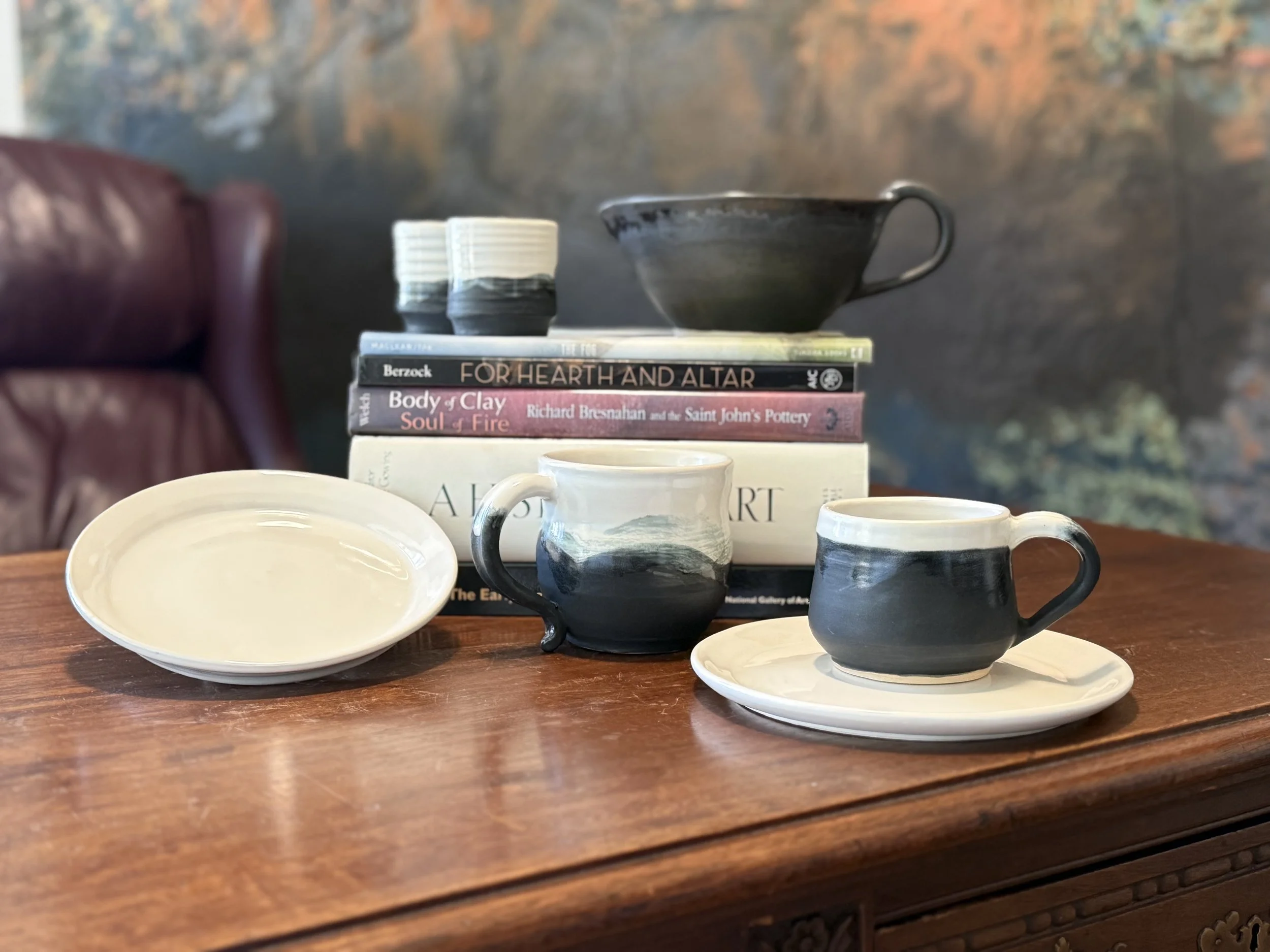
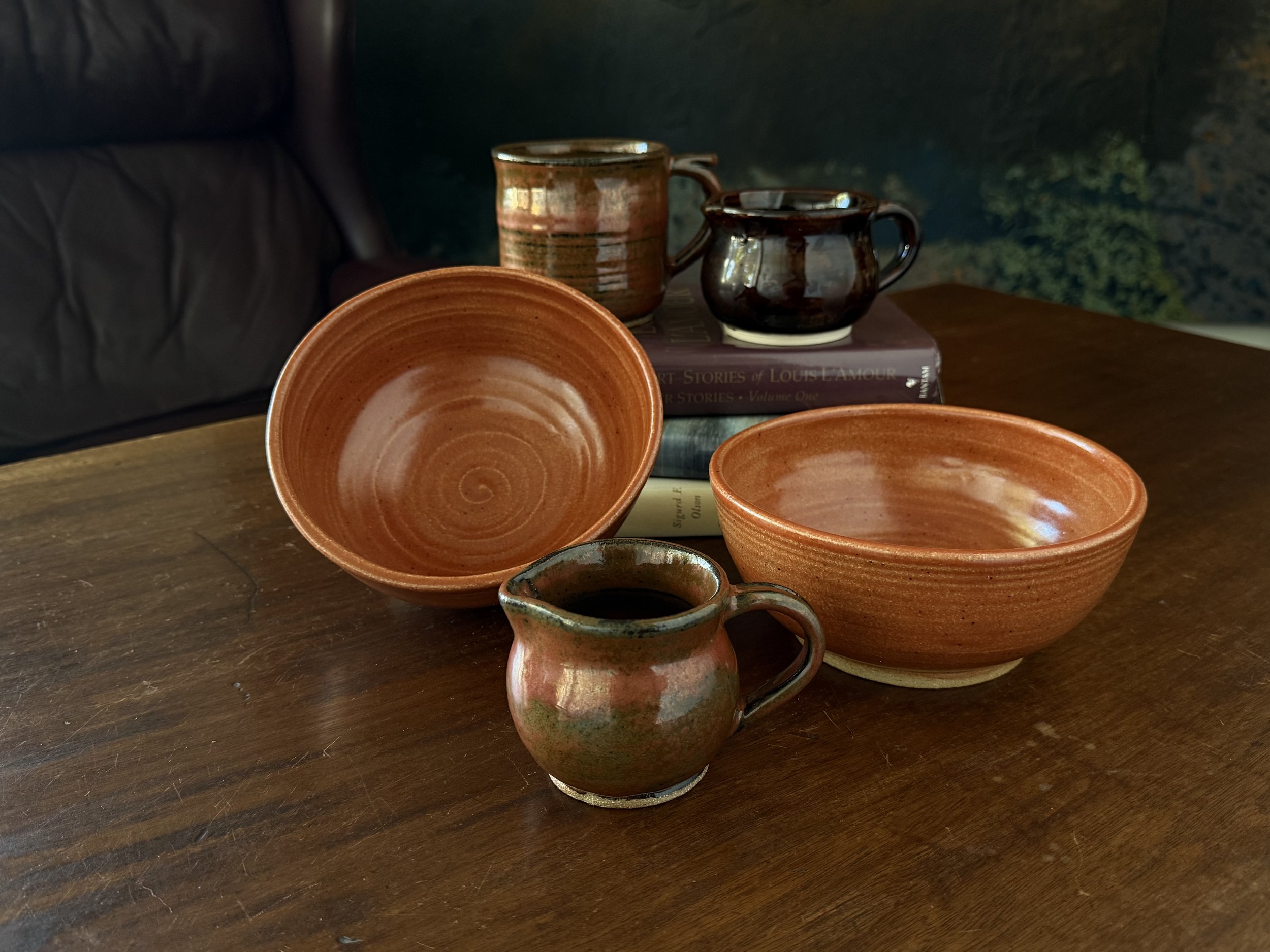
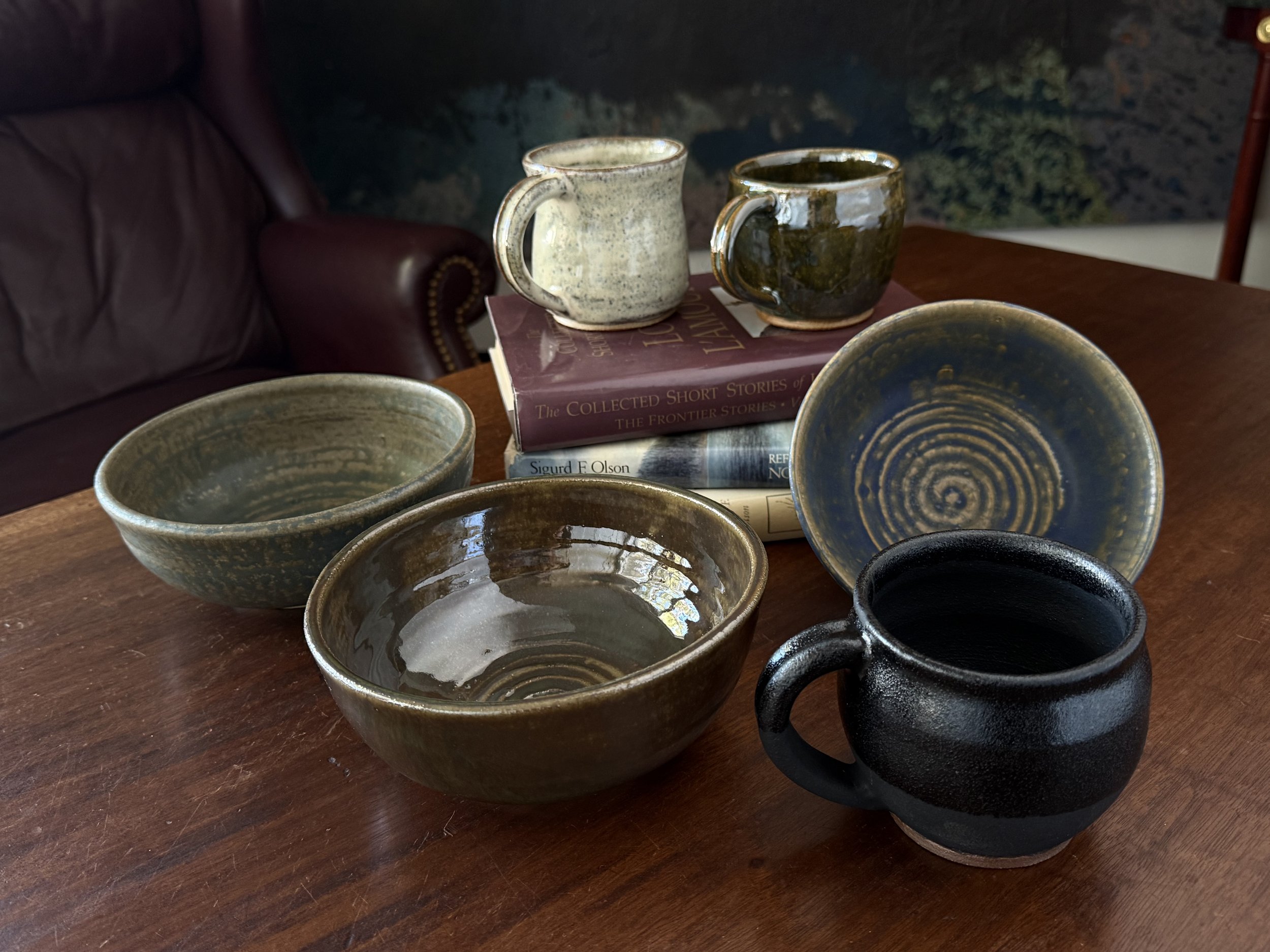
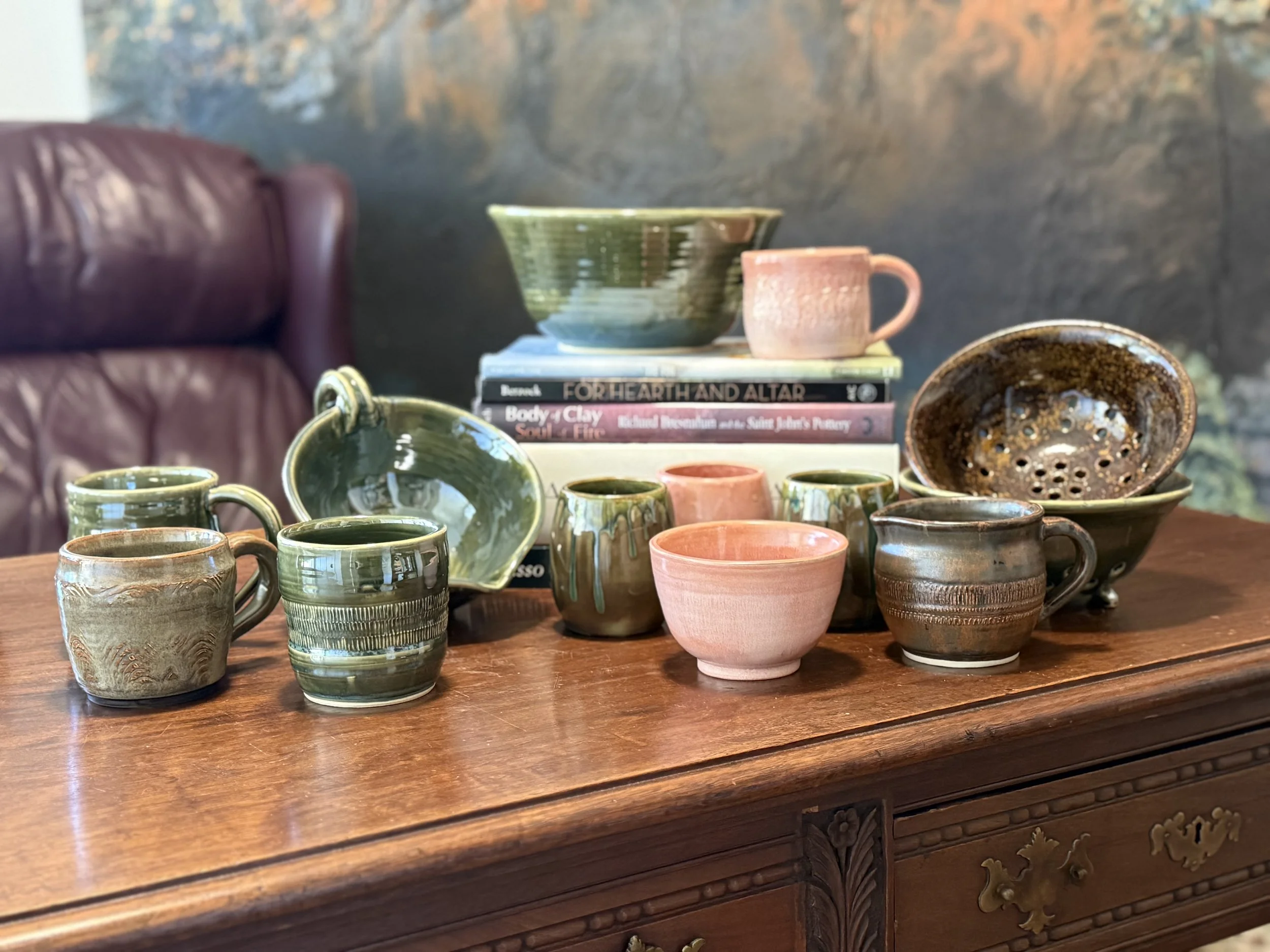
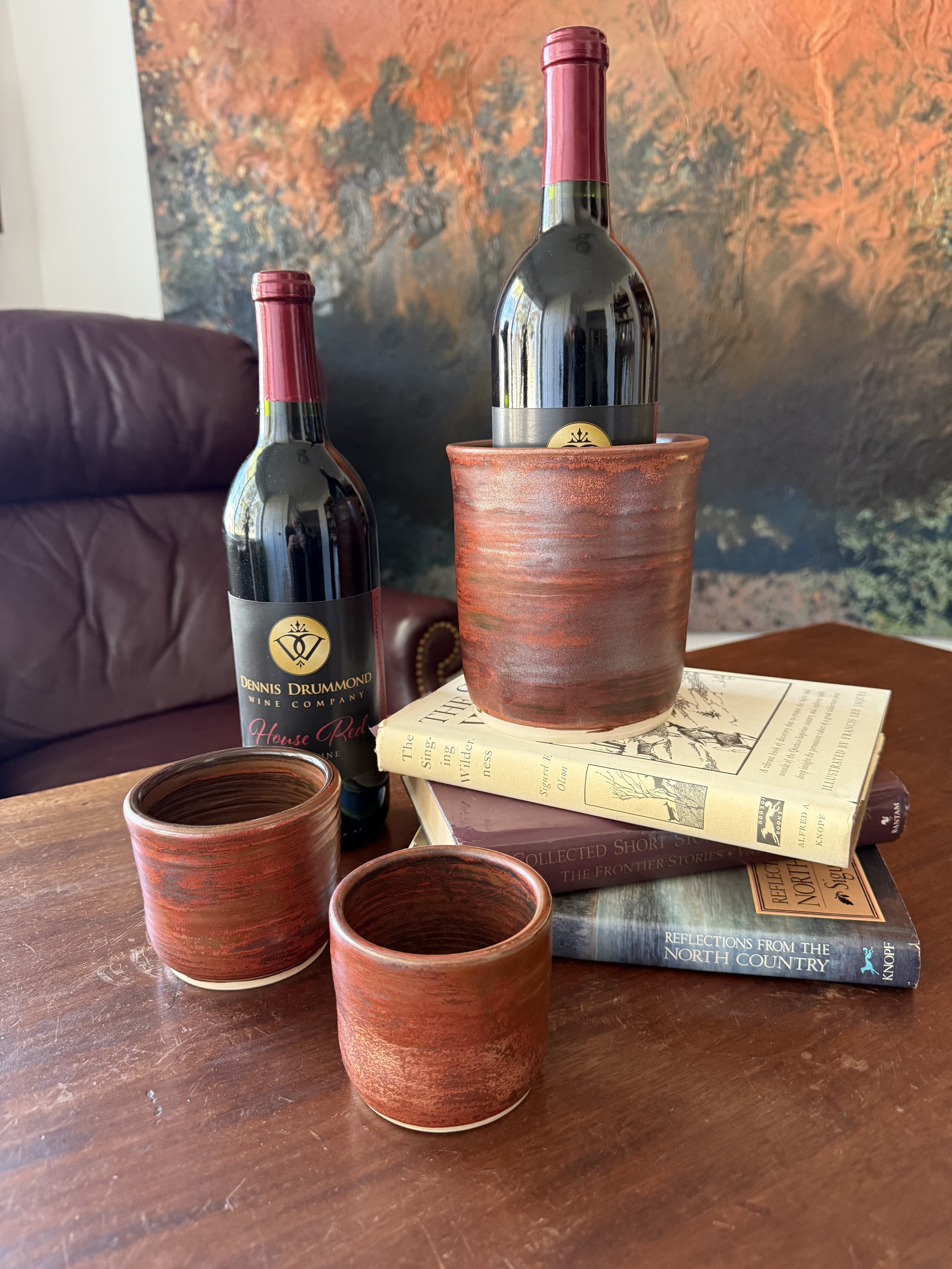
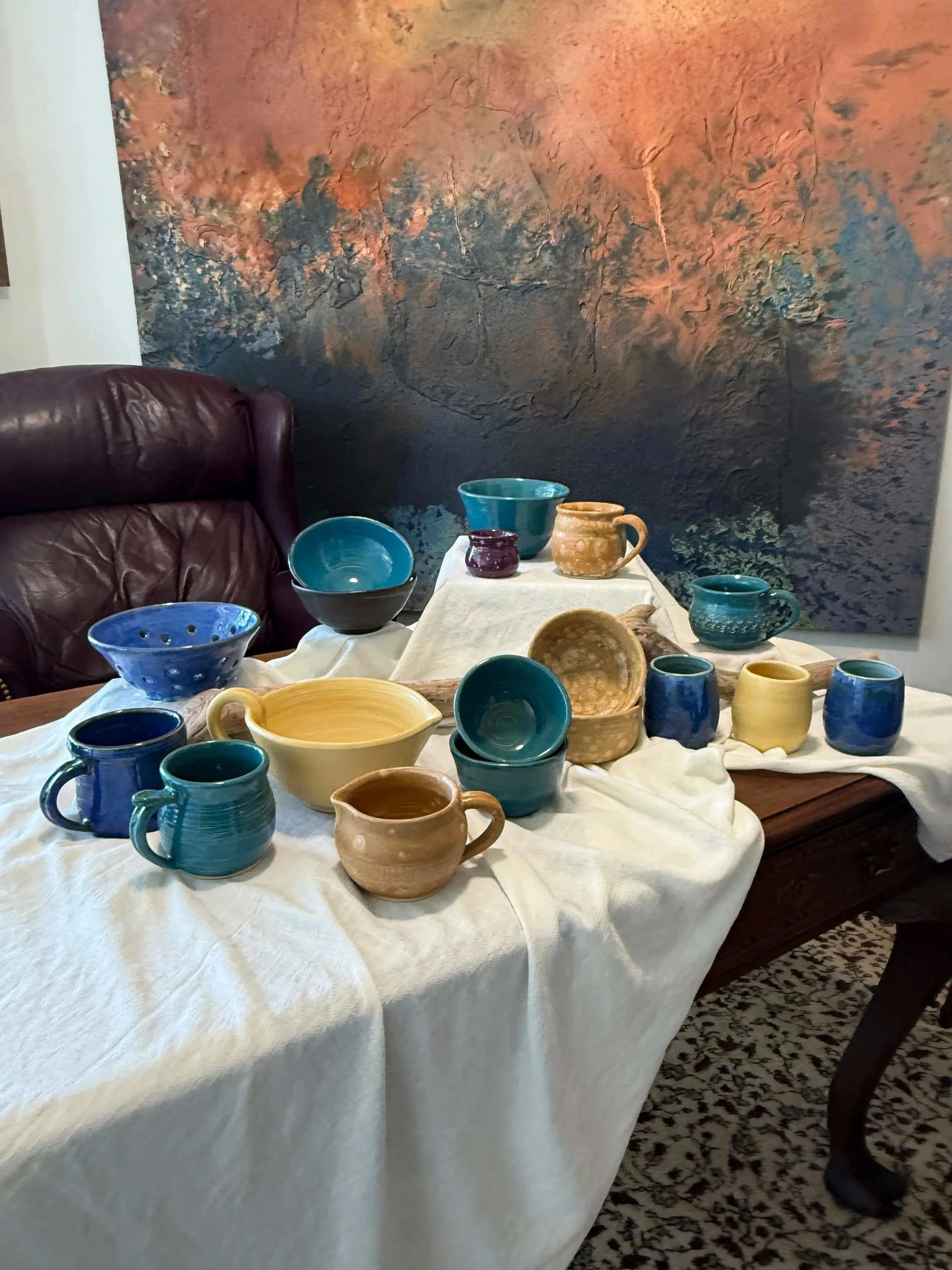
Alongside these signature Horsehair Raku pieces, Bending Pines Pottery also offers handcrafted stoneware designed for everyday use and lasting enjoyment. From functional bowls, mugs, and serving pieces to decorative vessels and gallery collections, each work reflects a commitment to craftsmanship, authenticity, and timeless design. Whether you're seeking a meaningful memorial piece, a unique gift, an original work of ceramic art, or a custom commission created just for you, Bending Pines Pottery invites you to discover pottery that is both beautiful and enduring—created to be lived with, shared, and treasured for generations.
Horsehair Raku
I was introduced to the horsehair raku process over 20 years ago. It is a technique with a rich history. It involves applying 3 coats of terra sigillata (a specially prepared clay slip) to the ware. While there are several possible techniques for applying the “sig”, as we call it, my preference is to apply it to the clay after it is bone dry. I burnish the pot before applying, and between each coat of the liquid clay. This results in a rich waxy finish. Some potters prefer to spray their pieces with a gloss polyurethane. Not my style.
Any number of things can be used to provide the contrasting black carbon imprint to the clay surface. I have had success using feathers, leaves, horsehair, sugar, floral blossoms, pine needles. The materials used, have to be applied within a very short window of time. Too hot and the the imprint just ghosts and disappears to white, too cool and the items just fall from the surface. Each firing imparts its own imprint to the ware, especially during windy or even a slight breezy conditions.
Recently, my commissions have focused on pieces which are remembrances of a horses that has passed. Using hair from the mane and/or tail, I embellish a form of the client’s choosing, providing a lasting memorial to a four-legged friend.


Functional Stoneware
To put my love of working in stoneware in a few words, is difficult at best. Do I begin with my first acquaintances with the work of Bernard Leach and Shoji Hamada, and Warren MacKenzie? Perhaps recount my pilgrimage to Leach’s studio in St. Ives, England. Maybe best to simply say, I find joy in producing good, affordable, useful, handmade pots. Ware to be used, everyday. In short, functional.
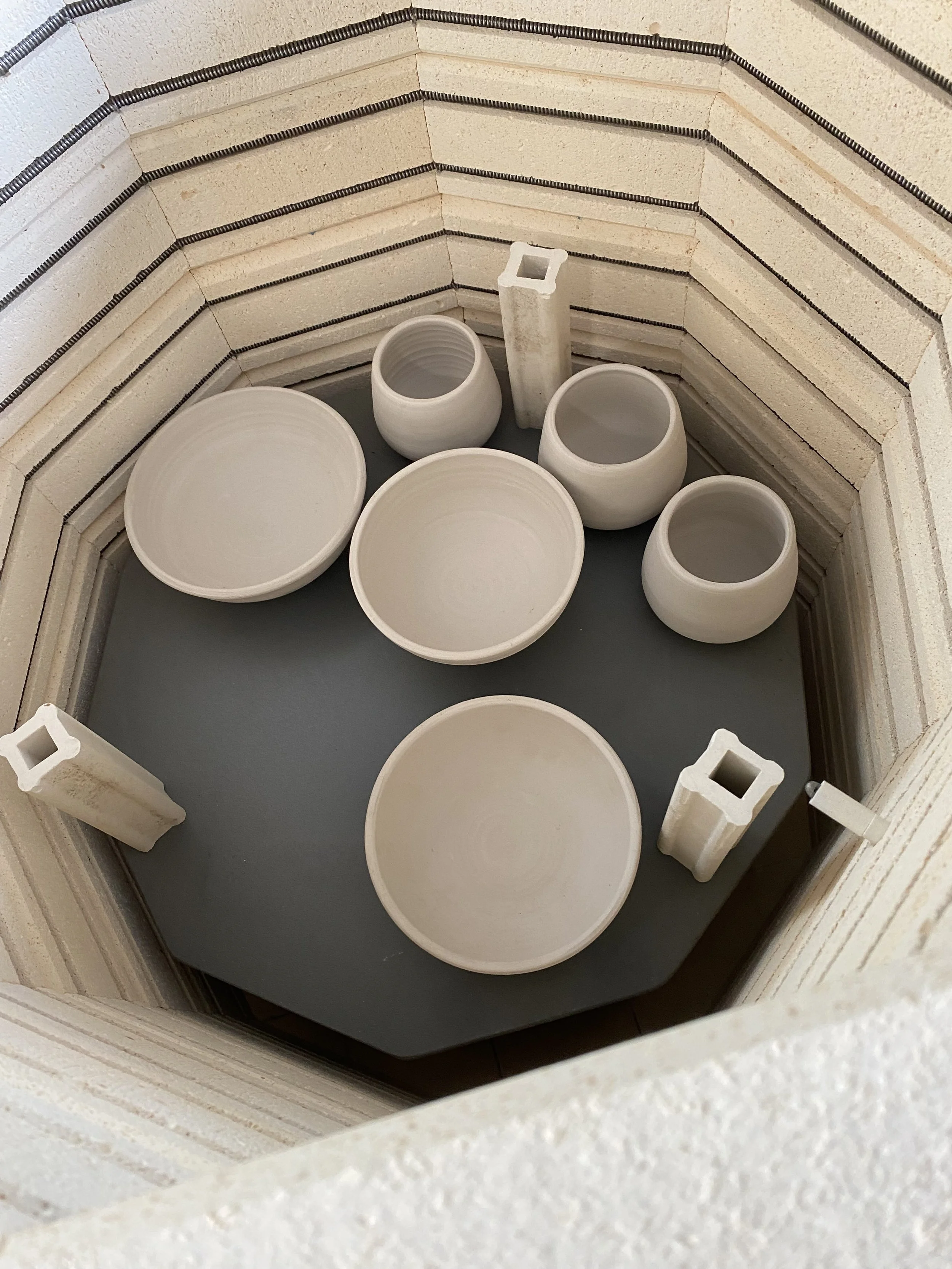
Stoneware is a bridge between earthenware, (a low fire, clay generally containing an amount of iron oxide, accounting for its red/brown color) and to the bone white china clays and porcelains of fine dinnerware. Stoneware’s elasticity and wide range of firing and maturing temperature accommodate the range of work I produce.